Written at a smallholding table on the Nicoya peninsula The Costa Rican Way · First Edition
The Costa Rican Way Get the Book · $37
Carmen Matarrita · First Edition
From Carmen’s Costa Rica Kitchen

People ask what we did differently. We got up, and we made the corn.

I am Carmen Matarrita. I was born on a smallholding on the Nicoya peninsula, in Costa Rica, and the corn went on the fire before the sun came up every day of my childhood. I cannot promise you anything about your health. What I have is one hundred and eighty entries on the corn, the beans, the plot, the animals and the household, and what you might do with each one today.

“Corn that has not met the lime is not food yet. It is only corn.”

No page in this book claims to add a single day to your life.

$37 · PDF and EPUB · read on any device · 7-day refund

The Costa Rican Way
— Food, Family, and the Everyday Rhythm of a Nicoya Smallholding
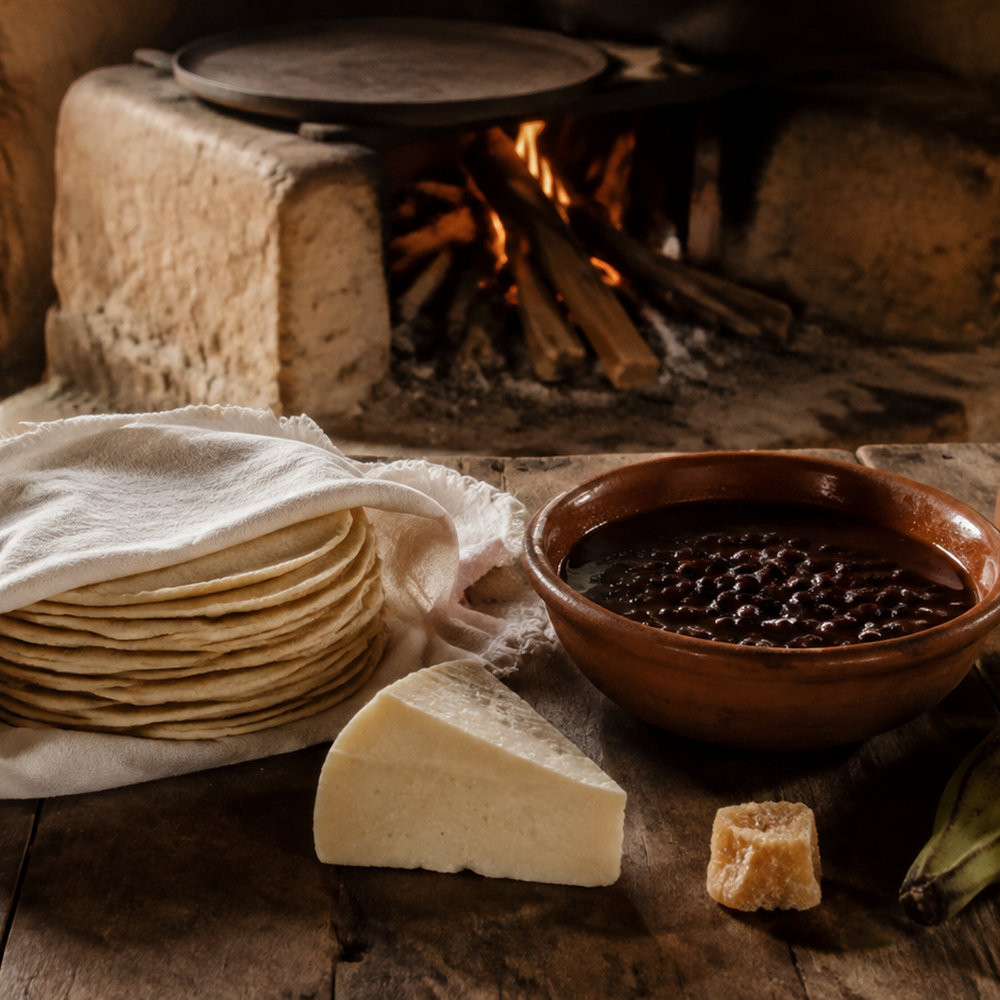
The Costa Rican Way, cover photograph
Carmen’s Costa Rica Kitchen
PDF + EPUB Any device · print at home
199 pages · 180 entries · 12 chapters
01 · What this book is not

Everyone who has heard of Nicoya expects the same four things. This book gives none of them.

Below is exactly what people usually come looking for, and what they get instead. I would rather lose the sale than promise you the column on the left.

The note in the margin is which chapters you get instead, and how many entries are in them. Nothing on this page is a promise about your health, your weight or how long you will live. I am not able to make that promise, and I am not going to pretend otherwise.

$37. Once. The corn still goes on the fire at five in the morning.

Get the Book

$37 once · emailed instantly · PDF and EPUB

What you get
instead ↓
What people usually come looking for
— and what this book gives instead —
A food or two that add years to your lifeThe claim behind most books like thisNo such food existsThe real meals a Nicoya farm family actually lived onChapters 1–4 · 60 entries
A strict diet or eating plan to followUsually sold alongside the claimNo plan was ever followedA whole year of growing and gathering it yourselfChapters 5–6 · 30 entries
One secret ingredient nobody else knowsThe usual hookThere was never just oneFamily, village and the daily rhythm, in fullChapters 7–9 · 45 entries
A doctor explaining the scienceHow these claims get their authorityCarmen is not a doctorHer own belief, always named plainly as beliefEvery chapter, marked as opinion
The words “Blue Zone” on the coverA trademark, not a factSomeone else’s brand nameThe real place, and what actually happened thereChapters 10–12 · 45 entries

Twelve chapters, and not one of them makes the promise on the left.

This book makes no claim about your health, your weight or how long you will live. It describes one household’s way of life in one place. What you take from it is yours to decide.

02 · What’s inside

12 chapters, 180 entries, 199 pages.

Every entry is one page. The old way, in her own words. Then how you might bring a little of it into your own home today. Then one line worth remembering, and a photograph, because a description of an old pantry is worth far less than a picture of one.

You do not need to read it start to finish. Most people open it wherever their own life needs it that week.

01

The Morning Corn

15 entries
  1. The Troja, Where the Year Was Kept
  2. Shelling, and the Job Given to Children
  3. The Lime, and Why We Never Skipped It
  4. The Pot That Sat All Night
  5. Washing the Nixtamal at the Pila
  6. The Piedra de Moler
  7. Knowing When the Masa Was Right
  8. The Comal on the Fire
  9. Palmeando, the Tortilla Shaped by Hand
  10. The Puff
  11. The Cloth, and Keeping Them Soft
  12. Yesterday’s Tortilla
  13. Tortilla de Queso
  14. Chorreadas, When the Corn Was Young
  15. Corn Three Times a Day, and Never Tiring of It
02

The Black Pot of Beans

15 entries
  1. Why the Beans Were Beside the Corn
  2. Picking and Drying the Crop
  3. Keeping Beans Through a Year of Heat
  4. Sorting on the Corridor
  5. The Soak, and the Houses That Skipped It
  6. The Pot on the Fogón
  7. Salt at the End
  8. The Broth Was the Point
  9. Gallo Pinto, the Morning After
  10. Frijoles Molidos
  11. Frijoles Tiernos, the Fresh Green Bean
  12. The Chilero on the Table
  13. The Plate as It Was Built
  14. The Pot That Was Never Quite Empty
  15. The Year the Beans Failed
03

Six Hens, One Cow, and Meat Twice a Year

15 entries
  1. The Criollo Hens and Where They Slept
  2. What the Hens Were Fed
  3. Finding the Nest
  4. The Egg Was Counted
  5. The Broody Hen
  6. The Old Hen and the Sunday Pot
  7. The Cow, and the Morning Milk
  8. Cuajada, the Fresh Curd
  9. Queso Seco, the Cheese That Kept
  10. Natilla, and the Cream Off the Top
  11. The Whey, and the Pig That Got It
  12. The Pig, Kept for the Year
  13. Killing Day, and Sharing It Out
  14. Salting and Drying What Was Left
  15. The Beef We Almost Never Saw
04

Cane, Coffee and the Small Sweet Things

15 entries
  1. The Patch of Cane
  2. The Trapiche
  3. Tapa de Dulce
  4. Agua Dulce
  5. Coffee, and the Cloth Sock
  6. Coffee Sweetened in the Pot
  7. Rosquillas
  8. Tanela, the Cake for a Day
  9. Cajetas and Melcochas
  10. Miel de Chiverre
  11. Pinolillo and the Toasted Corn Drinks
  12. Resbaladera, the Cold Drink of Guanacaste
  13. Fruit Eaten Standing Up
  14. Chicha, the Drink That Worked
  15. Why Sweet Was Rare and Therefore Sweet
05

The Plot, Through the Rains and the Long Dry

15 entries
  1. The Milpa: Corn, Beans and Squash
  2. Waiting for May
  3. The Espeque, a Stick and a Seed
  4. The Weeding That Never Ended
  5. Doblar la Milpa
  6. The Ayote at the Foot of the Corn
  7. Yuca, the Root That Waited
  8. Plantain at the Edge of Everything
  9. The Cerco, the Enclosed Garden
  10. Culantro Coyote and the Small Flavourings
  11. Chicasquil, the Green That Must Be Cooked
  12. The Veranillo, the Little Dry Spell
  13. Water in the Dry Months
  14. Seed Kept From the Best Ears
  15. What the Plot Held, Month by Month
06

The Trees at the Edge, and What They Gave

15 entries
  1. The Living Fence
  2. The Mango Tree and the Weeks It Ruled
  3. Jocotes, Green With Salt
  4. Nance, Gathered Off the Ground
  5. Marañón, the Fruit and the Nut
  6. Guayaba and the Paste
  7. Guanábana, Anona and the Soft Fruits
  8. Tamarind, the Sour Pod
  9. Mamón, the Fruit for Standing About
  10. Zapote and Níspero
  11. The Coyol Palm
  12. The Jícaro and the Bowls It Gave
  13. Guaba, the Pod Full of Cotton
  14. Firewood, and What a Tree Was Worth Standing
  15. Knowing the Calendar of the Trees
07

The House, and Everyone In It

15 entries
  1. Walls of Mud and Cane
  2. The Corridor, Where Life Happened
  3. The Kitchen Was Its Own Building
  4. The Fogón and the Three Stones
  5. The Tapesco, and Keeping Things Up
  6. Hammocks
  7. Sleeping Many to a Room
  8. The Grandmother in the Corner
  9. A Job From the Age of Four
  10. The Pila and the Washing
  11. The Swept Yard
  12. Eating Together, Whatever the Furniture
  13. The Water Jar and the Gourd
  14. Keeping a House Cool Without a Machine
  15. Nothing Left the House
08

The Road, and the People On It

15 entries
  1. The Road, and What It Brought
  2. The Pulpería and the Short List
  3. Trading Over the Fence
  4. Mano Vuelta, the Returned Hand
  5. Borrowing Fire
  6. The Turno
  7. The Rezo, and the Food After
  8. The Woman Who Delivered the Babies
  9. Sitting Where the Road Could See You
  10. Bombas, the Shouted Rhyme
  11. The Marimba and the Dancing
  12. The Ox Cart and the Man Who Drove It
  13. Godparents, and the Second Family
  14. Nobody Ate Alone
  15. The Whole World Was One Road
09

The Shape of a Day

15 entries
  1. Up Before the Heat
  2. The First Coffee, in the Dark
  3. The Corn, Before the Sun
  4. Out to the Plot at Six
  5. The Walk to Water
  6. The Midday Meal, and the Heat
  7. The Hammock at Noon
  8. The Lighter Afternoon
  9. Bringing the Animals In
  10. Washing at the End of the Day
  11. The Small Supper
  12. The Corridor at Dusk
  13. The Lamp, and the Short Evening
  14. Real Dark, and Early Bed
  15. Sunday, the Day That Was Different
10

Two Seasons and the Feasts Between Them

15 entries
  1. The Two Seasons
  2. April, the Hardest Month
  3. The First Rain
  4. Planting Week
  5. Elote, the Corn in the Milk
  6. Harvest, and Filling the Troja
  7. Semana Santa, and No Meat
  8. The Flower of the Itabo
  9. The Twelfth of December
  10. Tamales, and the Day Before Christmas
  11. The Rezo del Niño
  12. The Patron Saint’s Fiesta
  13. The Dry Season Repairs
  14. The Year the Rains Failed
  15. The Same Year, Again
11

Work, Craft and What the Hands Knew

15 entries
  1. The Machete
  2. Keeping an Edge
  3. Clay, and the Women Who Worked It
  4. The Gourd, Cut and Cured
  5. Weaving a Hammock
  6. The Hat, Braided From Palm
  7. Leather, and the Man Who Worked It
  8. The Pilón
  9. Firewood, Cut and Stacked
  10. Mending Before Anything Was Replaced
  11. Building With Mud and Cane
  12. Grinding, Every Day, for Sixty Years
  13. Learning by Standing Beside
  14. Knowing When a Thing Was Done Right
  15. The Pride Nobody Admitted To
12

Growing Old With Something to Do

15 entries
  1. The Old Stayed in the House
  2. The Chair Facing the Road
  3. One Job That Was Yours
  4. Still in the Plot at Eighty
  5. The One Who Kept the Seed
  6. The One Who Knew the Plants
  7. Being Asked
  8. The Walk Nobody Chose
  9. Slowing Down Without Stopping
  10. What the Old Talked About
  11. The Last Illness, at Home
  12. The Nine Nights
  13. Passing the Comal On
  14. Nobody Retired
  15. The Reason to Get Up
03 · The honest part

The deal this book makes with you.

A promise that this food adds years to your lifeNo page in this book claims that, and none ever will. What is here is how the food was made, and why, nothing more.
A doctor, a scientist, or a clinical claimCarmen is not a doctor. Where she believes something works, the book says so plainly, as her own opinion, never as a fact.
The words “Blue Zone” anywhere in this bookThat name belongs to someone else’s brand. This book tells you about the real place and the real household instead.
A diet plan, a meal schedule, or a rule to followThere is no plan here. Only a description of how one household actually ate, in its own words, across a whole year.
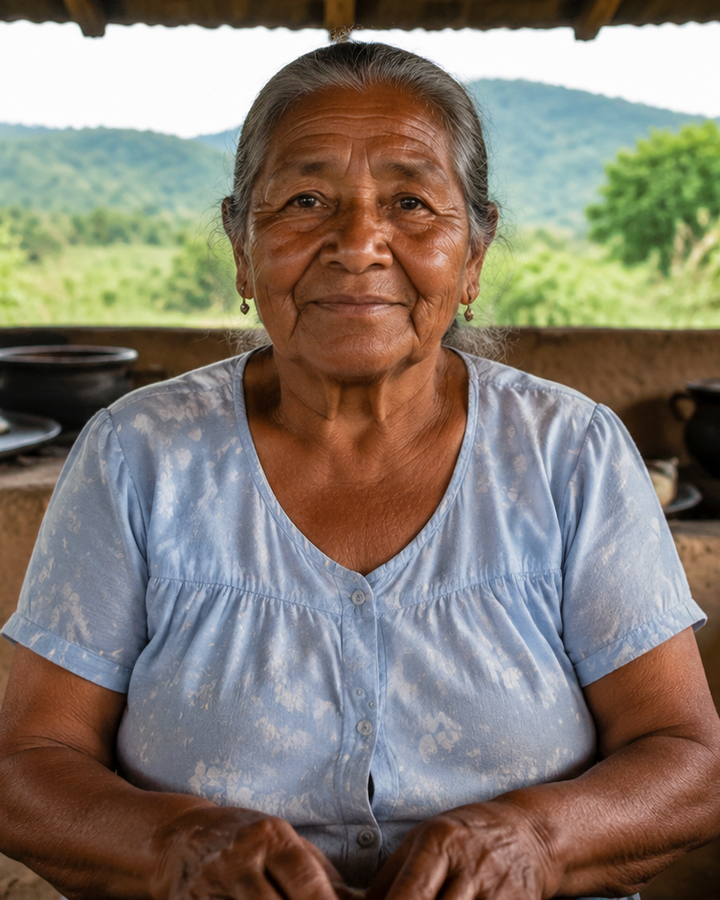
Carmen Matarrita — Carmen
Carmen Matarrita
Carmen Matarrita
04 · Who is telling you this
“There was no secret on our farm. There was corn, and there was work.”

I was born on a smallholding on the Nicoya peninsula. We had corn, beans, squash, a few hens, a cow for a while, and fruit trees at the edge of the plot.

People come and ask about the water, or about what we ate, as though there were one answer. There was not. There was corn ground every single morning, beans in the pot, a plot that fed us through a wet season and a dry one, and a house where nobody sat down alone.

So that is what this book is. The morning corn and what it really took. The bean pot. The plot month by month. The trees. And the work, which never stopped, and which I think mattered as much as anything on the plate.

Read it in any order. Most people start with the corn.

05 · Order the book

Read it for a week. If it is not for you, I do not want your money.

Read it for seven days. If it has not given you something worth keeping, write to me and I will refund every cent, no questions. Pay once and it is yours to keep, on your phone, your tablet, or printed at your own kitchen table.

It is a book to dip into, not to finish in one sitting. 12 chapters, each one a different part of the same life.

$59$37
180Entries
199Pages
7Day refund
Get the Book · $37

7-day refund · emailed instantly · PDF and EPUB · yours forever

Visa · Mastercard · PayPal · Apple Pay  ·  Delivered by email the moment you buy

06 · Questions

Questions people ask

Is this a diet book?

No. It is a description of a way of living, food included. It makes no promise about your own health, your weight or how long you will live.

Is there medical or financial advice in it?

None, deliberately. Carmen is not a doctor, a nutritionist or a financial adviser. Where she shares her own belief about why something worked, the book marks it plainly as her opinion, never as guidance.

Do I have to nixtamalise corn at home?

No. The book explains what nixtamal was, why the lime mattered and what it took every morning, because that is the history. Then it tells you honestly when a bag of masa harina off an American shelf is good enough, and the few dishes where it genuinely is not.

Is any of this historically accurate?

The food and customs described are real, checked against the historical and cultural record. Carmen tells it in her own voice, the way a grandmother would tell it at her own table.

Why doesn’t the book use the words “Blue Zone”?

Because that name belongs to someone else’s brand. This book describes the actual place and the actual household instead of borrowing someone else’s label.

What do I get, and is it a subscription?

Two files, emailed the moment you buy: a 199-page PDF for reading or printing at home, and an EPUB for Kindle and e-readers so you can set your own type size. You pay once. Nothing renews.

Can I get it on paper?

Not as a printed book. It is a digital book you can print yourself, which is what keeps it at $37 instead of what a 199-page illustrated hardback would cost.

There was never a secret on our farm. Only corn, beans, and a house that got up early.

12 chapters on the corn, the beans, the plot, the animals, the household and the two seasons of a Nicoya smallholding. 199 pages, 180 entries, a photograph on nearly every one. $37, once.

Get the Book · $37

7-day refund · emailed instantly · PDF and EPUB

A free chapter

Read one chapter first, free.

Put your email in the box and one complete chapter of the book opens on the very next page. Every page of it, every photograph, exactly as it appears in the book. There is nothing to install and no card to enter.

We keep your address so Carmen can write to you now and then with something worth reading. One click stops it for good. We never sell it and we never pass it on.

The free chapter, open on a table